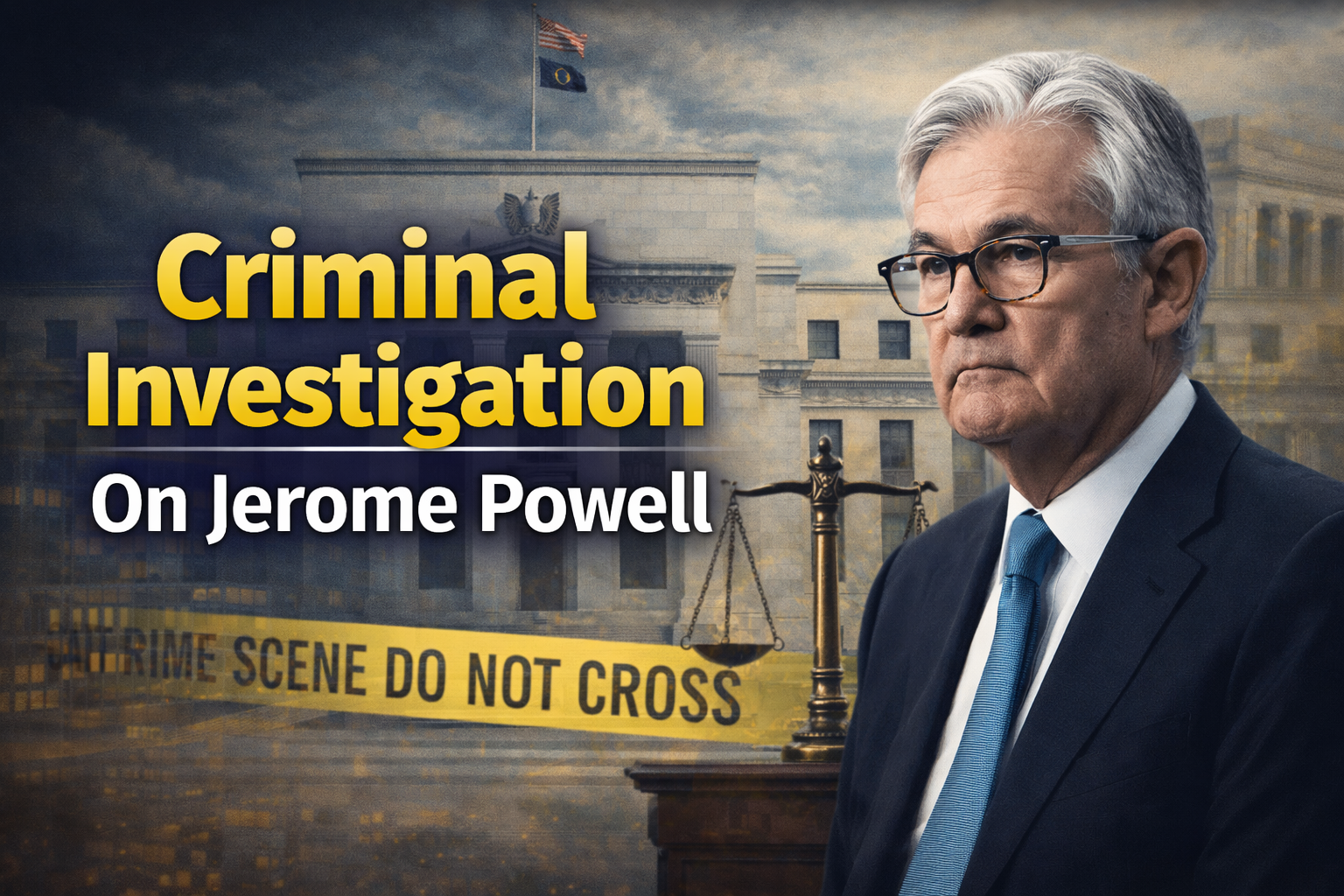
Criminal Investigation On Jerome Powell has ignited debate over Federal Reserve independence, market confidence, and political accountability. Here’s what the probe could mean for America.
Table of Contents
Introduction: Why This Story Matters
In early January 2026, reports of a Criminal Investigation On Jerome Powell, the Chair of the U.S. Federal Reserve, reverberated across financial markets and political institutions. The Federal Reserve is among the most powerful economic bodies in the world, and its chair plays a pivotal role in shaping interest rates, credit conditions, and inflation control.
An investigation involving such a figure is rare—and deeply consequential. Supporters argue that no public official should be beyond scrutiny. Critics counter that probing a central bank leader risks undermining the independence that shields monetary policy from political pressure. This article explains what is known, what remains unclear, and why the outcome matters for households, investors, and policymakers alike.
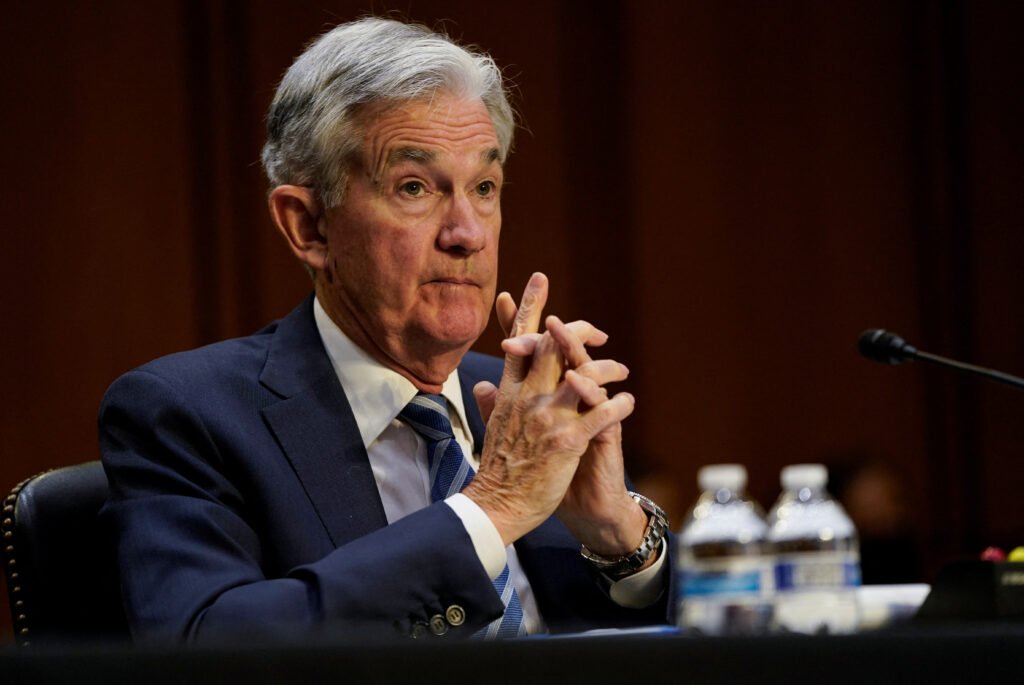
Who Is Jerome Powell?
Jerome Powell has served as Federal Reserve Chair since 2018. He guided the U.S. economy through the pandemic shock, supply-chain disruptions, and the subsequent inflation surge. Unlike many predecessors, Powell is not a career academic economist; his background in law and finance shaped a leadership style focused on risk management and institutional stability.
That context makes the current Criminal Investigation On Jerome Powell especially significant: it places unprecedented legal scrutiny on a role traditionally insulated to protect long-term economic decision-making.
What Triggered the Investigation?
Public reporting indicates the inquiry centers on statements made during congressional testimony and related internal communications. Investigators are assessing whether any remarks were misleading or incomplete under oath.
Key points to note:
- No verdict has been reached
- No conviction has occurred
- The investigation is ongoing
At this stage, it is a legal review—not a determination of guilt. For official background and statements, see the Federal Reserve’s site:
https://www.federalreserve.gov
Why a Criminal Investigation Is So Unusual
Central bank independence exists for a reason. Historically, Federal Reserve chairs have been protected from direct political or legal pressure to ensure that policy decisions are driven by data—not election cycles.
A Criminal Investigation On Jerome Powell breaks with tradition and raises difficult questions: Where does accountability end and undue influence begin? The answer could shape how future central bankers communicate and govern.
Market Reaction: Caution, Not Panic
Financial markets responded with restraint. Equities showed modest volatility, Treasury yields moved within normal ranges, and the dollar remained relatively steady. Investors appear to believe:
- The institution of the Fed remains intact
- Policy decisions will continue through established processes
- Near-term rate paths are unlikely to change abruptly
Still, prolonged uncertainty can slowly erode confidence. For ongoing market coverage, see:
https://www.reuters.com
The Political Dimension
The investigation has quickly taken on political tones. Some lawmakers frame it as necessary oversight. Others warn it could be a tactic to pressure the central bank during sensitive economic conditions.
This debate reflects a broader American tension: powerful unelected officials versus democratic accountability. The Criminal Investigation On Jerome Powell sits squarely at that crossroads.
Implications for Federal Reserve Independence
Perhaps the most consequential question is precedent. If central bank leaders face criminal scrutiny tied to testimony or policy communications, future chairs may:
- Speak more cautiously in public forums
- Delay or soften decisive policy actions
- Face increased partisan pressure
Such outcomes could weaken the Fed’s crisis-response capability—precisely when speed and clarity are most needed.
Public Trust and Transparency
Conversely, public trust depends on accountability. Many Americans believe that oversight strengthens institutions—so long as it is fair, impartial, and apolitical.
From this angle, the Criminal Investigation On Jerome Powell could reinforce confidence if it demonstrates that rules apply equally to all. The process, not just the outcome, will shape public perception.
Are There Historical Parallels?
Direct precedents are scarce. Past Fed chairs faced criticism and congressional pressure, but criminal probes of a sitting chair are nearly unheard of. That rarity explains why global observers—from foreign central banks to multinational investors—are watching closely.
What Happens Next?
Several paths are possible:
- No charges filed – Markets stabilize, but debate over Fed oversight continues.
- Formal charges – Legal and political escalation with potential market fallout.
- Policy clarifications – New rules on testimony, disclosures, or communications.
Until the investigation concludes, uncertainty will remain a background risk.
How This Could Affect Ordinary Americans
While the story seems distant from daily life, the implications are not. Confidence in the Federal Reserve influences:
- Mortgage and auto loan rates
- Business investment decisions
- Employment and wage growth
If trust in the Fed wavers, borrowing costs and economic volatility could rise—even without immediate policy changes.
Global Implications
The U.S. dollar and Treasury markets underpin the global financial system. Any perceived weakening of Fed independence can ripple outward, affecting exchange rates, capital flows, and international confidence in U.S. institutions.
The Broader Lesson
The Criminal Investigation On Jerome Powell highlights a delicate balance. Independence without accountability risks arrogance; accountability without independence risks politicization. Preserving both is essential for economic stability.
Conclusion
This investigation marks a rare and consequential moment for American economic governance. Whether it ends quietly or escalates, its legacy will shape how the Federal Reserve communicates, how Congress oversees monetary policy, and how the public perceives institutional power.
For now, markets are steady, questions are many, and the world is watching. The final outcome will matter not just for Jerome Powell—but for the future credibility of the U.S. central bank.
Secret Network (SCRT) Explained: How Privacy Smart Contracts Work in the United States
Learn what Secret Network (SCRT) is, how it works, its legal status in the United States, use cases, benefits, risks, taxes, and future outlook