
Is Real Estate still the best investment in the world? Explore the country-wise truth, risks, returns, and future outlook of Real Estate investing globally.
Table of Contents
Introduction: The Timeless Question About Real Estate
For decades, Real Estate has been considered the safest and most reliable way to build wealth. From owning land and rental properties to flipping houses, millions of investors worldwide have trusted property more than stocks, bonds, or businesses.
But the world is changing.
Rising interest rates, global inflation, remote work, declining affordability, and new investment options are forcing investors to rethink one critical question:
Is Real Estate still the best investment in the world?
The answer is no longer universal. In today’s economy, Real Estate success depends heavily on country, timing, and strategy. This article breaks down the country-wise truth of Real Estate investing, helping you understand where it still works, where it struggles, and what the future looks like.
Why Real Estate Was Considered the Best Investment for So Long
Historically, Real Estate dominated because of a few powerful advantages:
- Tangible asset (you can see and use it)
- Hedge against inflation
- Rental income potential
- Leverage through loans
- Long-term appreciation
In many countries, owning property also became a cultural symbol of stability and success. Governments supported Real Estate through tax benefits, subsidies, and easy credit.
However, past performance does not guarantee future results—especially in a globalized economy.
How Global Factors Are Reshaping Real Estate Today
Before looking at countries individually, it’s important to understand the global forces affecting Real Estate:
1. Interest Rates
Higher interest rates increase mortgage costs, reducing affordability and demand.
2. Urban Saturation
Major cities are becoming too expensive, limiting upside potential.
3. Remote Work
Demand is shifting away from central business districts.
4. Demographic Changes
Aging populations and lower birth rates affect housing demand.
5. Alternative Investments
Stocks, ETFs, startups, and digital assets compete with Real Estate capital.
These factors mean Real Estate is no longer a guaranteed win everywhere.
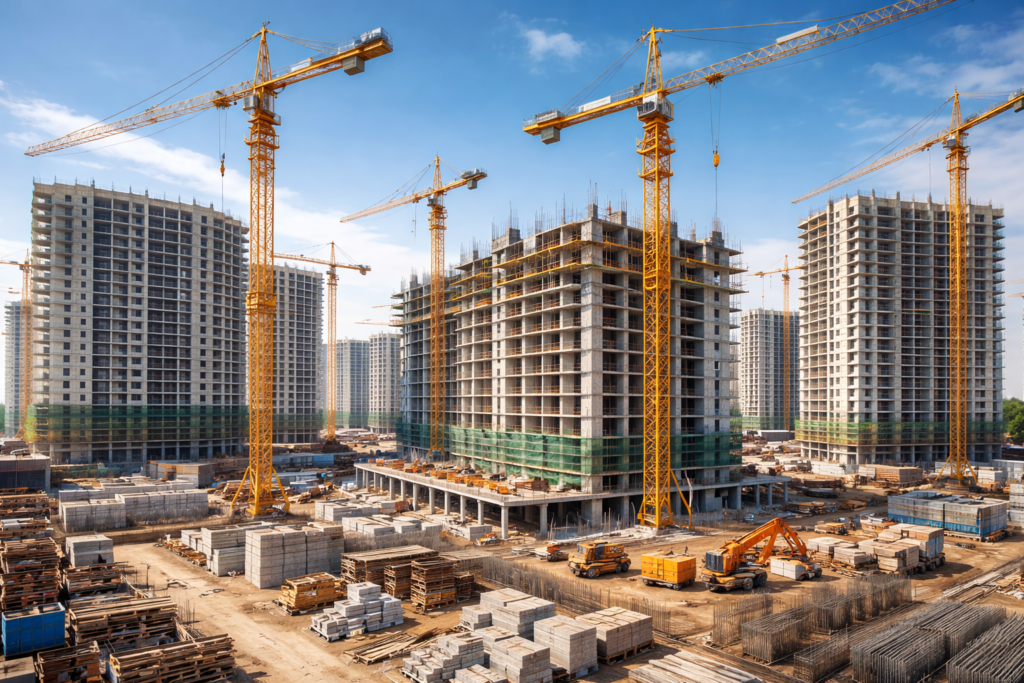
Country-Wise Truth: Is Real Estate Still Worth It?
🇺🇸 United States: Stable but Slower Growth
The US Real Estate market remains one of the most transparent and regulated globally.
Pros:
- Strong rental demand
- Legal protection for investors
- Diverse markets (residential, commercial, REITs)
Cons:
- High property prices
- Rising mortgage rates
- Lower appreciation compared to past decades
In the US, Real Estate is still a solid wealth-preservation tool, but not necessarily a high-growth investment unless selected carefully.
Reference:
https://www.nar.realtor/research-and-statistics
🇨🇦 Canada: Affordability Crisis Limits Returns
Canada has seen massive Real Estate price growth, especially in cities like Toronto and Vancouver.
Reality Check:
- Prices are extremely high
- Rental yields are low
- Government cooling measures are increasing
While Real Estate in Canada protects capital, future appreciation may remain limited due to affordability constraints.
🇬🇧 United Kingdom: Location Matters More Than Ever
UK Real Estate is highly location-sensitive.
What Works:
- Prime London areas (long-term)
- Student housing
- Rental properties in growing towns
Challenges:
- High taxes
- Strict regulations
- Slower population growth
In the UK, Real Estate is no longer passive—it requires active management and smart selection.
🇩🇪 Germany: Rental-Friendly, Investor-Challenging
Germany is a tenant-friendly country.
Pros:
- Stable housing demand
- Strong economy
Cons:
- Strict rent controls
- Limited rental yield
- High purchase prices
Here, Real Estate works best for long-term stability, not aggressive returns.
🇮🇳 India: High Growth, High Complexity
India presents one of the strongest growth stories for Real Estate, driven by:
- Urbanization
- Young population
- Infrastructure development
Opportunities:
- Tier-2 and Tier-3 cities
- Commercial Real Estate
- Rental housing near tech hubs
Risks:
- Legal disputes
- Project delays
- Market opacity
In India, Real Estate can still outperform globally, but only with due diligence.
Reference:
https://www.ibef.org/industry/real-estate-india
🇨🇳 China: From Boom to Uncertainty
China’s Real Estate market fueled its economic growth for decades.
Today:
- Oversupply issues
- Developer debt crises
- Government intervention
While Real Estate remains culturally important, returns are uncertain, and risks are significantly higher than before.
🇦🇪 UAE (Dubai): Cyclical but Attractive
Dubai is a unique Real Estate market.
Strengths:
- Tax-free rental income
- High rental yields
- Global investor interest
Weaknesses:
- Market cycles
- Dependence on global economy
Dubai Real Estate can be profitable, but timing is everything.
Rental Yield vs Appreciation: The Real Estate Reality
One major misconception is that Real Estate always grows in value.
In reality:
- Some countries offer high appreciation but low rental yield
- Others offer strong cash flow but weak price growth
Smart investors analyze:
- Gross rental yield
- Maintenance and taxes
- Vacancy risk
- Liquidity
Without numbers, Real Estate becomes emotional—not financial.
Is Real Estate Better Than Stocks or Businesses?
The answer depends on your goals.
Real Estate Advantages:
- Lower volatility
- Predictable income
- Inflation hedge
Real Estate Disadvantages:
- Illiquidity
- High entry cost
- Active management
Stocks and businesses may offer higher returns, but Real Estate offers psychological and financial stability—especially for conservative investors.
Learn more about investment comparisons:
https://www.investopedia.com/real-estate-vs-stocks-5218725
The Future of Real Estate: What’s Changing?
The future of Real Estate will not look like the past.
Emerging Trends:
- Fractional ownership
- REITs and digital platforms
- Green and sustainable housing
- Smart cities
- Data-driven property valuation
Real Estate is becoming more financialized and less emotional.
Who Should Still Invest in Real Estate?
Real Estate still makes sense if you:
- Want long-term wealth preservation
- Need rental income
- Understand local markets
- Have patience and capital
It may not suit those seeking quick returns or passive income without involvement.
Final Verdict: Is Real Estate Still the Best Investment in the World?
Real Estate is no longer universally the best investment—but it is still one of the most powerful ones when done right.
The truth is:
- It works exceptionally well in some countries
- It underperforms in others
- Strategy matters more than ever
In today’s world, Real Estate is a strategic investment, not a default choice.
Those who understand country-wise dynamics, cash flow realities, and future trends will continue to build wealth through Real Estate—while others may struggle chasing outdated assumptions.
Final Thoughts
As global economies evolve, Real Estate investing requires intelligence, patience, and adaptability. Blind belief in property as a guaranteed wealth builder is dangerous—but informed Real Estate investing remains highly rewarding.
The real question is not “Is Real Estate dead?”
The real question is “Do you understand where and how Real Estate still works?”

How AI and Automation Will Change Personal Finance Forever