Learn how to evaluate a Crypto Project Before Investing using fundamentals, team analysis, tokenomics, roadmap, and real-world utility. A practical guide for smart crypto investors.
Table of Contents
Introduction
The crypto market is full of opportunity—but it’s also crowded with hype, half-built ideas, and outright scams. Every year, thousands of new tokens are launched, yet only a small percentage survive long enough to deliver real value. This is why learning how to evaluate a Crypto Project Before Investing is no longer optional—it’s essential.
Many investors make decisions based on price charts, social media noise, or influencer recommendations. While these signals may create short-term excitement, they rarely indicate long-term potential. Smart investors focus on fundamentals: the problem a project solves, the people behind it, and whether the economics actually make sense.
In this guide, we’ll break down a step-by-step framework to help you evaluate any crypto project with confidence—whether you’re a beginner or a seasoned Web3 enthusiast.
Why Evaluating a Crypto Project Matters
Crypto investing is not like buying traditional stocks. Most projects are early-stage, experimental, and highly volatile. Without proper evaluation, investors face risks such as:
- Rug pulls and exit scams
- Overhyped but useless tokens
- Poor token economics
- Centralized control disguised as decentralization
Understanding Crypto Project Before Investing fundamentals helps you filter long-term builders from short-term speculators.
1. Understand the Problem the Project Solves
Every strong crypto project starts with a clear problem statement.
Ask yourself:
- What real-world or blockchain-specific problem does this project solve?
- Is blockchain truly required for this solution?
- Who actually needs this product?
If a project’s website uses vague phrases like “revolutionizing the future” without specifics, that’s a red flag.
✅ Good sign: Clear use case with real demand
❌ Bad sign: Buzzwords without substance
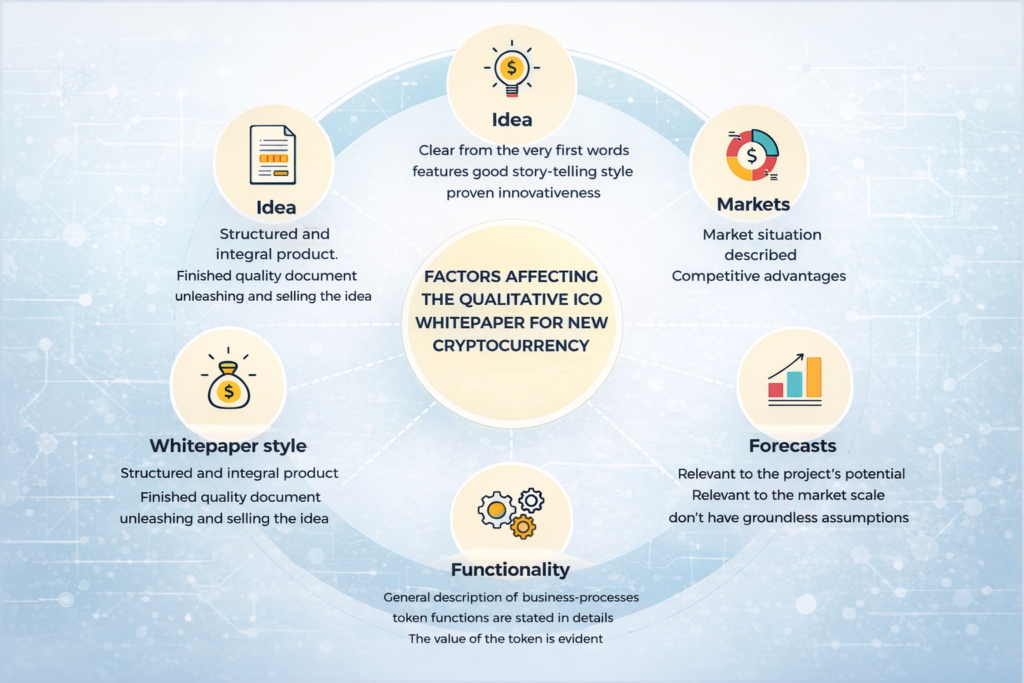
2. Read the Whitepaper Carefully
The whitepaper is the backbone of any crypto project. It explains the vision, technology, token utility, and roadmap.
When reviewing a whitepaper:
- Check if it explains how the system works, not just what it does
- Look for originality, not copied content
- Ensure technical claims are realistic
A well-written whitepaper signals that the team understands its own product—an important step in evaluating a Crypto Project Before Investing.
3. Analyze the Team Behind the Project
A strong idea without a capable team rarely succeeds.
Look for:
- Publicly visible founders and developers
- Relevant experience in blockchain, finance, or technology
- LinkedIn, GitHub, or past project history
Anonymous teams are not always scams, but they increase risk—especially for new investors.
Outbound tools you can use:
- LinkedIn – to verify backgrounds
- GitHub – to check development activity
4. Check Tokenomics (This Is Critical)
Tokenomics defines how a token is created, distributed, and used. Poor tokenomics can kill even a great idea.
Evaluate:
- Total and circulating supply
- Inflation or emission rate
- Team and investor allocation
- Token utility (governance, fees, staking, etc.)
If insiders hold a massive percentage with short lock-ups, price dumping is likely.
Understanding tokenomics is a core step when assessing a Crypto Project Before Investing.
5. Review the Roadmap and Progress
A roadmap shows where the project is going—and whether it’s actually moving.
Ask:
- Are milestones realistic or overly ambitious?
- Has the team delivered on past promises?
- Are updates consistent and transparent?
Projects that regularly miss deadlines without explanation should be treated cautiously.
6. Community Strength and Transparency
In Web3, community is everything.
Check:
- Telegram, Discord, and X (Twitter) activity
- Quality of discussions (not just price talk)
- How the team responds to tough questions
A healthy community focuses on development, not just “when moon”.
7. Partnerships and Ecosystem Integration
Real partnerships add credibility—but only if they’re genuine.
Verify:
- Are partners officially confirmed on both sides?
- Do partnerships align with the project’s use case?
Fake logos and unverified claims are common tricks used to mislead investors evaluating a Crypto Project Before Investing.
8. Market Position and Competition
No project exists in isolation.
Research:
- Direct competitors
- Unique advantages or disadvantages
- Market size and growth potential
If 20 projects are solving the same problem, ask what makes this one different.
Helpful platforms:
- CoinMarketCap
- CoinGecko
9. Security, Audits, and Risk Factors
Security is non-negotiable.
Check:
- Has the smart contract been audited?
- Which firm conducted the audit?
- Are vulnerabilities disclosed and fixed?
While audits don’t guarantee safety, lack of audits is a serious warning sign.
10. Legal and Regulatory Awareness
Regulation is becoming stricter worldwide.
Consider:
- Does the project comply with local laws?
- Is the token classified as a utility or security?
- Are there geo-restrictions?
Ignoring legal risks can wipe out gains overnight—even if the project itself is solid.
Common Red Flags to Avoid
🚩 Guaranteed returns
🚩 Aggressive influencer marketing
🚩 No working product
🚩 Anonymous team with huge token allocation
🚩 Overcomplicated token utility
If multiple red flags appear, it’s better to walk away.
Final Thoughts
Learning how to evaluate a Crypto Project Before Investing is not about finding the next 100x overnight. It’s about protecting capital, managing risk, and identifying projects with real long-term value.
The crypto space rewards patience, research, and discipline. By focusing on fundamentals instead of hype, you position yourself ahead of most retail investors.
Remember: You don’t need to invest early—you need to invest smart.
conviction building in investing is a Master the art . Learn how to distinguish between stubbornness and strategy, manage thesis drift, and hold through volatility without losing sleep.