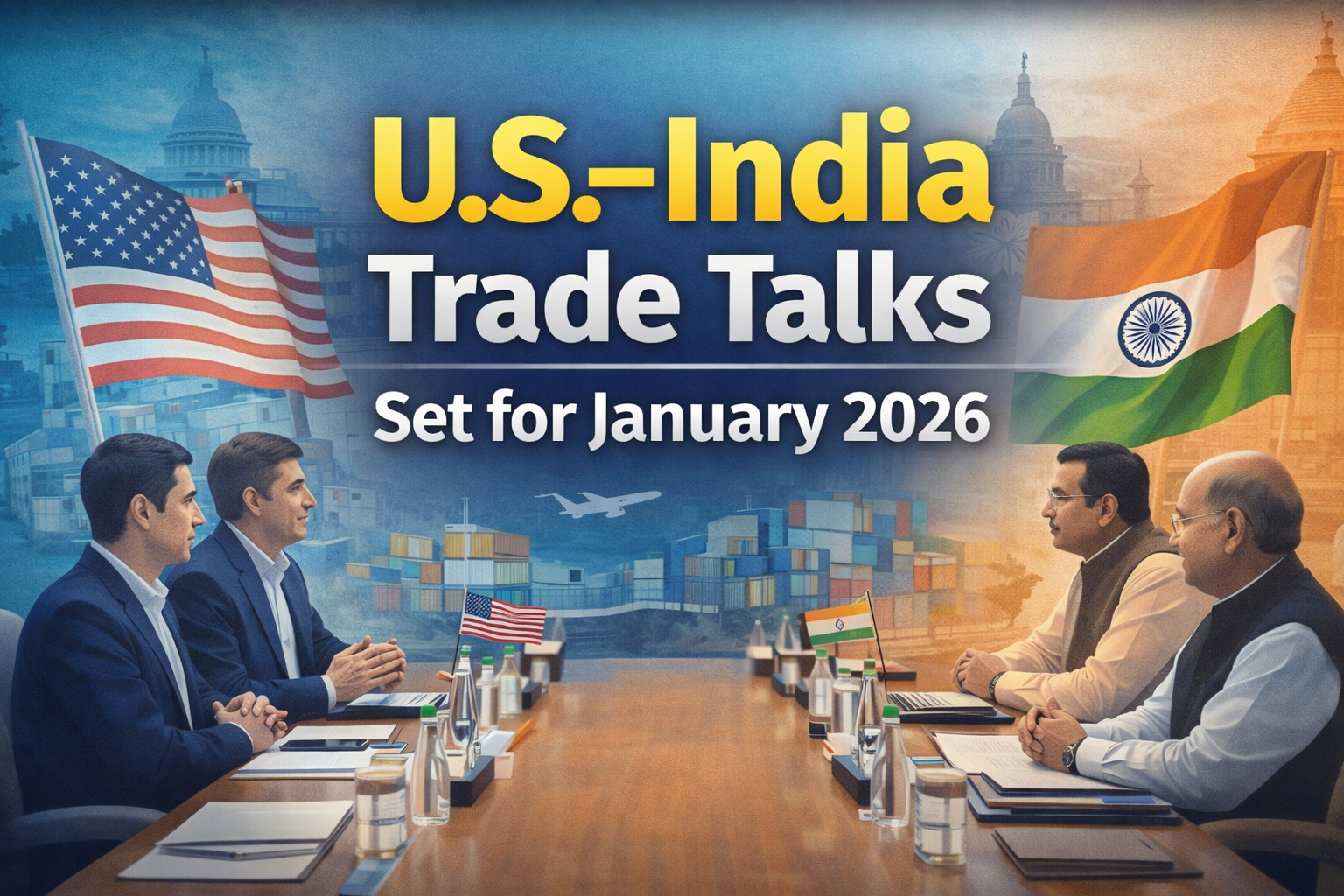
U.S.–India Trade Talks in January 2026 could reshape tariffs, technology cooperation, and global supply chains. Here are the key issues businesses and policymakers are watching.
Table of Contents
Introduction: Why These Talks Matter Now
As January 2026 begins, global attention is turning toward Washington and New Delhi, where a new round of U.S.–India Trade Talks is set to take place. At a time when global supply chains remain fragile, geopolitical alliances are shifting, and emerging economies are redefining their roles, these discussions carry weight far beyond the two nations involved.
The United States and India are among the world’s largest economies. Together, they represent massive consumer markets, growing technological influence, and strategic importance across Asia and the Indo-Pacific region. The upcoming talks are expected to address longstanding trade frictions while exploring new areas of cooperation.
This blog examines why these negotiations are happening now, what issues are likely to dominate the agenda, and how the outcomes could affect businesses, workers, and global markets.
The Current State of U.S.–India Trade Relations
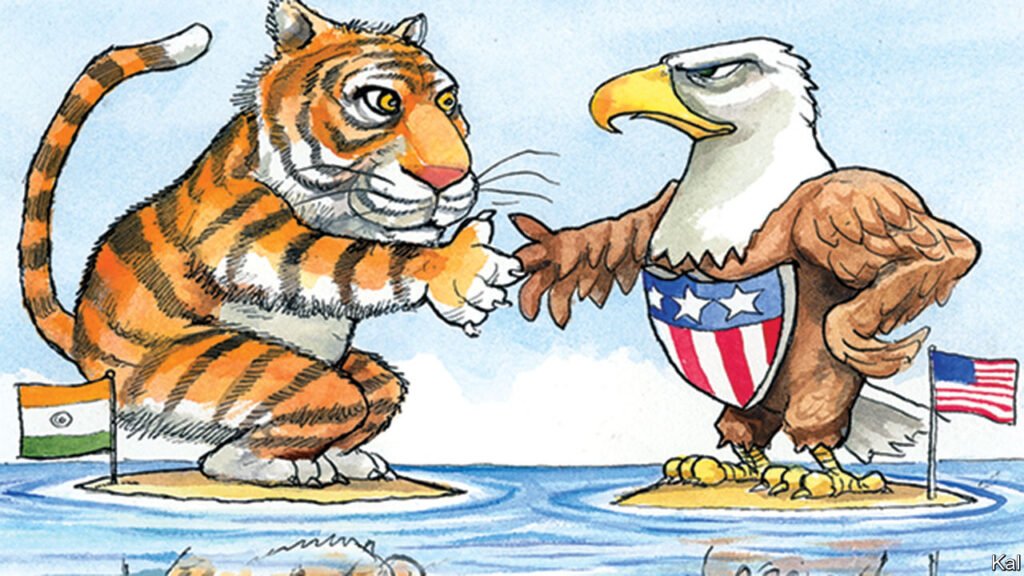
Trade between the U.S. and India has expanded steadily over the past decade. Bilateral trade in goods and services now exceeds hundreds of billions of dollars annually, spanning sectors such as technology, pharmaceuticals, energy, agriculture, and defense.
Despite this growth, the relationship has not been without friction. Tariff disputes, regulatory barriers, and disagreements over market access have periodically slowed momentum. The January 2026 U.S.–India Trade Talks aim to address these challenges while strengthening long-term economic ties.
For background on bilateral trade frameworks, readers can explore official resources from the U.S. government:
https://www.trade.gov
Why January 2026 Is a Strategic Moment
Timing matters in diplomacy. Several factors make early 2026 especially significant:
- Shifting global supply chains: Companies are diversifying away from overreliance on single-country manufacturing hubs.
- Geopolitical realignment: The U.S. is deepening partnerships in Asia, while India seeks a larger role in global governance.
- Economic pressures: Inflation control, employment stability, and industrial growth remain top priorities in both countries.
Against this backdrop, U.S.–India Trade Talks offer an opportunity to align economic strategy with broader geopolitical goals.
Key Issue #1: Market Access and Tariffs
One of the central topics will be market access. U.S. exporters have long sought lower tariffs and clearer regulatory pathways in India, particularly for agricultural products, medical devices, and manufactured goods.
India, meanwhile, is pushing for improved access to U.S. markets for textiles, pharmaceuticals, and skilled services. Negotiators will likely explore tariff adjustments, quota systems, and streamlined customs procedures.
Key Issue #2: Technology and Digital Trade
Technology cooperation is expected to be a major pillar of the talks. India’s digital economy is growing rapidly, while U.S. firms lead in software, cloud computing, and advanced semiconductors.
Discussions may include:
- Data localization rules
- Cross-border data flows
- Digital services taxation
- Cybersecurity standards
How these issues are resolved in the U.S.–India Trade Talks could set precedents for global digital trade norms.
Key Issue #3: Supply Chains and Manufacturing
Both countries are focused on strengthening resilient supply chains. The U.S. wants reliable partners for critical industries such as semiconductors, clean energy, and defense manufacturing. India aims to attract investment and expand domestic production under its industrial growth initiatives.
The talks may explore joint manufacturing projects, incentives for U.S. companies operating in India, and collaboration on supply-chain security.
For broader context on supply-chain strategy, see analysis from the World Economic Forum:
https://www.weforum.org
Key Issue #4: Energy and Climate Cooperation
Energy trade and climate commitments are also likely to feature prominently. The U.S. is a major exporter of liquefied natural gas (LNG), while India is one of the world’s fastest-growing energy consumers.
Potential discussion points include:
- Long-term energy supply agreements
- Renewable energy investment
- Clean technology transfers
These topics reflect how trade policy increasingly intersects with climate goals.
Key Issue #5: Labor, Standards, and Regulation
Labor standards and regulatory alignment are sensitive but important areas. U.S. negotiators often emphasize labor protections and environmental standards, while India prioritizes development flexibility and domestic policy autonomy.
Finding common ground here will be critical to building trust and ensuring durable agreements from the U.S.–India Trade Talks.
What Businesses Are Watching Closely
For multinational corporations and small exporters alike, these talks could influence:
- Cost structures and tariffs
- Investment decisions
- Market entry strategies
Technology firms, manufacturers, energy companies, and agricultural exporters all have a stake in the outcome.
Business-focused coverage and updates can be followed via:
https://www.reuters.com
Potential Challenges Ahead
While expectations are high, challenges remain:
- Domestic political pressures in both countries
- Differing regulatory philosophies
- Concerns about trade imbalances
Even incremental progress, however, would be viewed as a positive signal.
Global Implications Beyond the U.S. and India
The impact of the January 2026 negotiations could extend far beyond bilateral trade. Stronger U.S.–India economic ties may:
- Influence Indo-Pacific trade dynamics
- Offer alternatives to other dominant manufacturing hubs
- Shape future multilateral trade agreements
In this sense, the U.S.–India Trade Talks are being closely watched by allies, competitors, and investors worldwide.
What Success Might Look Like
Success does not necessarily mean a sweeping free-trade agreement. More realistically, it could include:
- Targeted tariff reductions
- Frameworks for digital trade cooperation
- Commitments to ongoing dialogue and dispute resolution
Such outcomes would build momentum for deeper collaboration over time.
Conclusion: A Defining Trade Moment
The January 2026 negotiations represent a defining moment in one of the world’s most important bilateral relationships. As economic, technological, and geopolitical priorities converge, the U.S.–India Trade Talks offer a chance to reset expectations and chart a more cooperative path forward.
For businesses, policymakers, and consumers, the stakes are high. While challenges remain, even modest progress could signal a stronger, more resilient partnership in an increasingly complex global economy.
New US tariff threats in 2026 are shaking global markets. From 500% sanctions to universal baselines, we analyze how these duties will disrupt supply chains and your wallet.