Explore why the U.S. Consumer Is Finally Slowing Down in 2026, what’s driving weaker spending, rising financial stress, and how this shift could reshape the U.S. economy.
Table of Contents
Introduction: The Engine of the U.S. Economy Is Losing Speed
For years, one force kept the U.S. economy moving forward even during uncertainty: the American consumer. While inflation surged, interest rates climbed, and global instability increased, consumer spending stayed remarkably resilient.
That resilience is now fading.
In 2026, multiple economic pressures are converging, and for the first time since the pandemic recovery began, the U.S. Consumer Is Finally Slowing Down in a way that feels structural rather than temporary. This shift matters because consumer spending accounts for nearly 70% of U.S. GDP.
When the consumer weakens, the entire economy feels it.
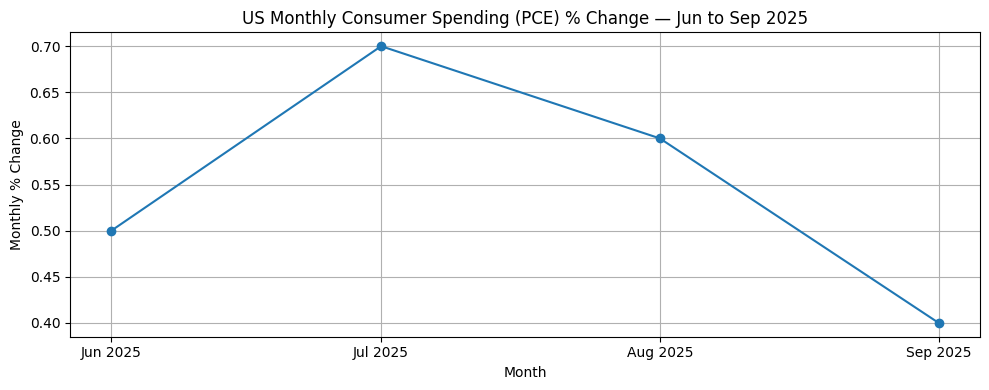
Why the U.S. Consumer Is Finally Slowing Down After Years of Resilience
The slowdown didn’t happen overnight. It is the result of cumulative stress that households absorbed for years — until they couldn’t anymore.
Several key factors explain why consumer momentum is fading now rather than earlier.
Inflation Fatigue Has Reached Its Breaking Point
Although headline inflation has cooled from its peaks, prices remain significantly higher than they were just a few years ago. Essentials like food, insurance, healthcare, housing, and utilities still consume a larger share of household income.
What changed in 2026 is not inflation itself, but inflation fatigue.
Consumers no longer believe prices will “go back to normal.” Instead, households are adjusting behavior by cutting discretionary spending, trading down to cheaper brands, and delaying major purchases.
According to the Bureau of Labor Statistics, cumulative price increases have permanently altered spending patterns:
https://www.bls.gov/cpi/
High Interest Rates Are Quietly Draining Consumers
Interest rates staying “higher for longer” have had a delayed but powerful effect on household finances.
Higher rates mean:
- More expensive credit cards
- Costly auto loans
- Unaffordable mortgages
- Rising interest on existing variable-rate debt
For years, consumers relied on cheap credit to maintain lifestyles. That option is disappearing. Monthly interest payments now crowd out discretionary spending, making everyday consumption feel heavier.
This is a major reason the U.S. Consumer Is Finally Slowing Down rather than abruptly collapsing.
Credit Card Debt Has Become a Warning Signal
One of the clearest signs of stress is the surge in revolving credit balances. Credit cards are no longer used for convenience — they’re being used for survival.
Delinquencies are rising, minimum payments are increasing, and households are becoming more cautious. When consumers begin pulling back on credit usage, it often signals the late stage of an economic cycle.
The Federal Reserve’s consumer credit data highlights this trend clearly:
https://www.federalreserve.gov/releases/g19/current/
Wage Growth Can’t Keep Up Anymore
Wage growth was a key support for consumer spending in previous years. That support is weakening.
While nominal wages still rise, real wage growth has flattened as inflation-adjusted gains disappear. Many workers feel stuck — earning more dollars, but affording less life.
This erosion of purchasing power creates psychological caution. Consumers may still have jobs, but they no longer feel financially secure enough to spend freely.
The Savings Cushion Is Largely Gone
Excess savings built during pandemic stimulus years acted as a powerful shock absorber. By 2026, much of that cushion has been exhausted.
Households that once relied on savings to offset inflation are now forced to adjust spending directly. This transition from “buffered spending” to “income-constrained spending” is a critical reason the slowdown feels persistent.
The U.S. Bureau of Economic Analysis tracks this shift in personal savings rates:
https://www.bea.gov/data/income-saving/personal-saving-rate
Housing Costs Are Freezing Consumer Mobility
Housing plays a dual role — it affects both cost of living and consumer confidence.
High mortgage rates have locked many homeowners into existing homes, limiting mobility and spending related to moving, renovation, and upgrades. Renters face continued pressure from high rents, leaving less room for discretionary consumption.
Housing is no longer a wealth engine for most households; it has become a constraint.
Job Security Feels Less Certain — Even With Low Unemployment
On paper, the labor market still looks strong. In reality, job security feels weaker.
Layoffs in tech, finance, media, and corporate sectors have reshaped consumer psychology. Even workers not directly affected are more cautious, reducing spending in anticipation of potential disruption.
This shift in sentiment is subtle but powerful — and central to why the U.S. Consumer Is Finally Slowing Down rather than suddenly stopping.
How This Slowdown Impacts the Broader U.S. Economy
A consumer slowdown doesn’t mean an immediate recession, but it changes the economic trajectory.
Key consequences include:
- Slower GDP growth
- Pressure on corporate earnings
- Reduced pricing power for businesses
- Increased risk of layoffs in consumer-facing sectors
Retail, travel, discretionary goods, and services feel the impact first. Over time, weakness spreads to manufacturing, logistics, and corporate investment.
Why This Cycle Feels Different From Past Slowdowns
Unlike past downturns driven by sudden shocks, this one is slow, quiet, and psychological.
Consumers are not panicking — they are adapting. They’re learning to live within tighter constraints rather than reacting to crisis. That makes the slowdown harder to reverse with short-term policy tools.
Rate cuts may help at the margin, but they cannot undo years of accumulated financial pressure overnight.
What Policymakers Are Watching Closely
Policymakers understand that consumer behavior is the key variable now.
They are monitoring:
- Credit conditions
- Delinquency rates
- Real wage trends
- Consumer sentiment surveys
The Federal Reserve remains cautious, aware that easing too quickly could reignite inflation, while staying tight for too long could deepen consumer weakness.
Fed policy insights:
https://www.federalreserve.gov/monetarypolicy.htm
What This Means for Investors and Businesses
For investors, consumer slowdown shifts market leadership. Defensive sectors, pricing-power businesses, and balance-sheet strength matter more than growth narratives.
For businesses, the era of effortless demand is over. Companies must compete on value, flexibility, and affordability rather than assuming consumers will absorb higher prices.
Final Verdict: A Structural Shift, Not a Temporary Pause
The most important takeaway is this: the U.S. Consumer Is Finally Slowing Down not because of a single crisis, but because years of pressure have reached a limit.
This doesn’t guarantee an immediate recession — but it does signal a new phase of the economic cycle where growth becomes harder, volatility increases, and policy mistakes matter more.
Final Thoughts
America’s economy has long relied on the strength of its consumers. In 2026, that strength is being tested.
Understanding this slowdown helps explain:
- Why growth feels weaker
- Why confidence is fragile
- Why markets react sharply to small data changes
The consumer hasn’t collapsed — but the era of effortless spending is over.
👉 When the U.S. consumer changes behavior, the entire global economy listens.
How Commodity Price Wars between nations and markets — across energy, food and metals — can trigger the next global price shock, affect inflation, and reshape trade and investment decisions.